
St Andrew's Eve
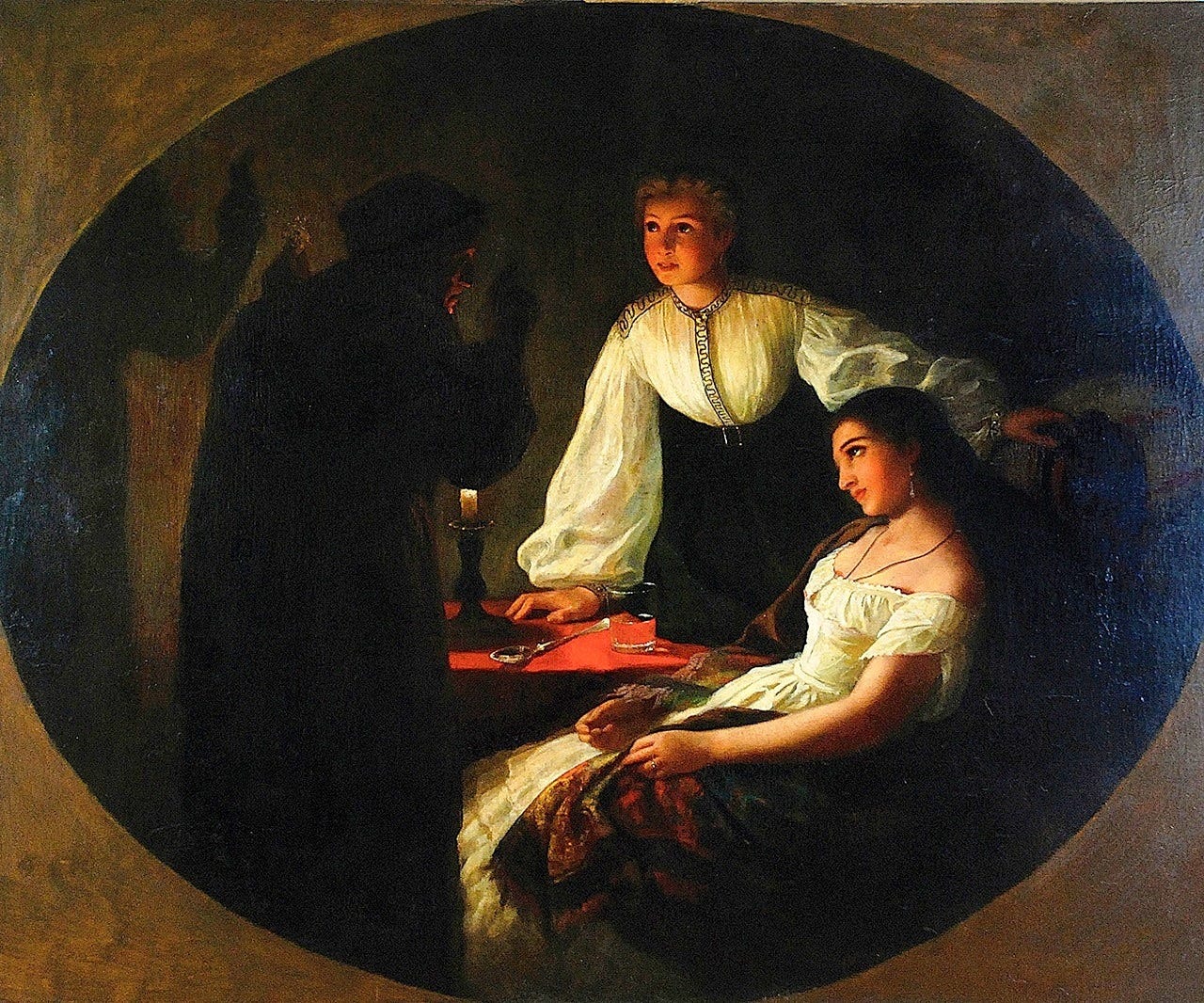
This week, I explain what old-fashioned keys, candles & fortune-telling have to do with Scotland's patron saint


Happy Friday!
The first two words I learnt when I embarked on learning Danish were “tak” and “hygge”. Tak means “thank you”, and is exceedingly easy for a Pole to remember, because tak means “yes” in Polish. It is also pronounced phonetically, which I learnt very quickly, is not a given: although Polish, with its byzantine grammar, usually hovers somewhere near the top of various lists of The Most Difficult Languages, Danish is also ranked high on those lists, not because of its grammar, which, if you’re fluent in English isn’t that much of a challenge, but on account of its fiendishly difficult pronunciation, and trying to nail saying “hygge” correctly is just the beginning. But the reason it was the 2nd word I learnt is because Danes really live it. My host family did sit down to have their main m…
Keep reading with a 7-day free trial
Subscribe to A Plate of Pierogi to keep reading this post and get 7 days of free access to the full post archives.